 |
|
Already a premium subscriber?
|
|
|
|
Flash game not working or 'No Longer Supported'? Fear not! You can still enjoy flash games by downloading the Flash Player Chrome Extension. Simply add it to Chrome, enable it, and all Flash games will work for you!
 An adventure of epic proportions | Best book of the year for young readers "..couldn't put it down" Available Now How To Play The Best Online Free Card Games Now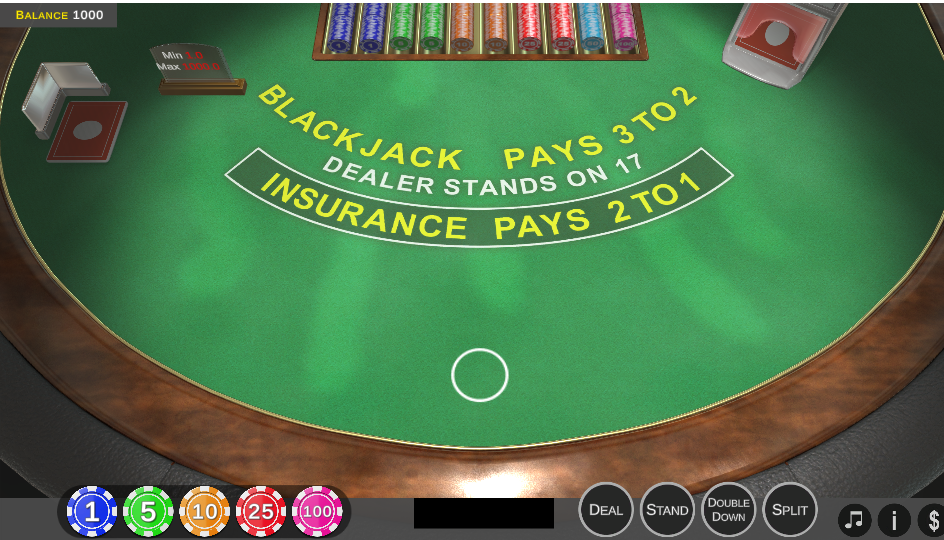
Here at FreeWebArcade, we appreciate and love simple card games and they are some of the most popular on our site. Game creators are inventing new card games everyday, but here are some classic and some help in playing them. Cribbage Cribbage is a popular card game that is typically played with a standard deck of 52 cards. It is traditionally a two-player game but can also be played with three or four players. Cribbage is known for its unique scoring system and strategic gameplay. The objective of cribbage is to be the first player to score a certain number of points, usually 121 or 61. The game consists of several rounds, with each round divided into two distinct parts: the play and the show. During the play, players take turns playing cards from their hands onto a communal pile, known as the "crib," while keeping track of the cumulative total of card values played. The goal is to play cards in combinations that add up to specific point values. For example, players score points for pairs, runs of consecutive cards, and cards that add up to fifteen. The cumulative total is reset to zero whenever it reaches 31, and play continues until both players have no more cards to play. Hearts Online Hearts is a classic trick-taking card game that is typically played with four players. The objective of the game is to score the fewest points possible by avoiding certain cards. Hearts is known for its strategic gameplay and the element of trying to "shoot the moon," which involves capturing all the penalty cards. To play Hearts, you need a standard deck of 52 cards. The game consists of several rounds, with each round starting by passing a set number of cards to the player on your left. The passing rotates clockwise with each round. Once the passing is complete, the player holding the 2 of Clubs leads the first trick, and the other players must follow suit if they can. If a player does not have a card of the same suit, they can play any card. The player who plays the highest-ranked card of the led suit wins the trick and leads the next one. However, there is a twist in Hearts: Hearts cards and the Queen of Spades carry penalty points. The Hearts suit, consisting of the hearts cards (2 to Ace), is worth one penalty point each, while the Queen of Spades is worth 13 penalty points. Players aim to avoid winning tricks that contain hearts or the Queen of Spades since these cards contribute to their point totals. The exception is when a player successfully "shoots the moon," which means capturing all the hearts and the Queen of Spades in a single round. In this case, the player scores no penalty points, while each opponent receives 26 points. The game continues with players trying to strategically offload penalty cards on their opponents while avoiding taking tricks with hearts and the Queen of Spades. The round ends when all the cards have been played, and players' scores are tallied. The game typically continues until a player reaches a predetermined point threshold, such as 100 or 200 points, and the player with the lowest score at that point is declared the winner. Hearts is a game that combines luck, skill, and careful decision-making. It requires players to manage their hands, pay attention to cards played, and make strategic choices to minimize their penalty points. It is a challenging and entertaining game enjoyed by players of all skill levels. Stop The Bus Stop the Bus is a simple and fast-paced card game that combines elements of luck, strategy, and quick thinking. It is commonly played with three or more players, and the goal is to have the lowest score at the end of the game. To play Stop the Bus, you need a standard deck of 52 cards. The game consists of several rounds, and in each round, players aim to collect cards that have the lowest possible value. At the start of each round, each player is dealt three cards face down. The remaining deck is placed in the center of the table, and the top card is turned face up to start a discard pile. On their turn, players have two options: they can either take the top card from the deck or the top card from the discard pile. After taking a card, players must choose one card from their hand to discard face up, replacing it with the card they just picked. The goal is to replace higher-value cards in their hand with lower-value cards. As the round progresses, players have the opportunity to "stop the bus" by knocking on the table instead of drawing a card. Once a player has stopped the bus, each opponent has one final turn before the round ends. Scoring in Stop the Bus is straightforward. Numbered cards are worth their face value (e.g., a 7 of Hearts is worth 7 points), face cards (Jacks, Queens, and Kings) are worth 10 points each, and Aces are worth 11 points. At the end of a round, each player counts the total value of the cards remaining in their hand, and the scores are recorded. The game continues with additional rounds until a predetermined number of rounds is played, or a target score is reached. The player with the lowest cumulative score at the end of the game is declared the winner. Stop the Bus is a quick and engaging card game that requires players to make decisions on whether to draw from the deck or discard pile, strategically manage their hand, and keep track of the cards played by opponents. It offers a fun and challenging experience that can be enjoyed in social gatherings or casual settings. Card Sharks Card Sharks is a popular American television game show that originated in the 1970s and has had multiple revivals over the years. The game is based on the concept of predicting whether the next playing card in a deck will be higher or lower in value than the previous card. In Card Sharks, two contestants compete against each other in a series of high-low card-guessing rounds to win prizes and ultimately a cash jackpot. The game is played with a standard deck of 52 playing cards. The game begins with the host presenting the contestants with a row of playing cards. The first card is revealed, and the contestant in control must guess whether the next card in the sequence will be higher or lower in value than the displayed card. If the contestant predicts correctly, they continue to make guesses on the subsequent cards in the sequence. Each correct guess advances the player closer to the end of the row, while an incorrect guess ends their turn and control is passed to the opponent. The goal is to successfully predict the outcome of the entire row of cards or reach a predetermined point goal. Along the way, contestants can also earn additional rewards or prizes for correctly predicting specific cards or outcomes. The game also incorporates strategic elements, as contestants have the option to freeze their position at any point, preventing them from risking their progress but also limiting their potential rewards. They can also "change the card" by swapping out the current card for a new one, once per game, if they feel it may improve their chances. The winner of each round goes on to play a bonus round, often called the "Money Cards" or a similar name, where they have a chance to win a larger cash prize by predicting the next cards in a series of increasingly difficult playing card rows. Card Sharks has been well-received for its simple yet addictive gameplay and the suspense generated by the high-low card guessing mechanic. It has remained a popular and enduring game show, captivating audiences with its blend of luck, strategy, and the anticipation of the next card flip. Blackjack Blackjack, also known as Twenty-One, is a popular card game played in casinos and among friends. The objective of the game is to have a hand value that is closer to 21 than the dealer's hand, without exceeding 21. To play blackjack, you need a standard deck of 52 cards. Each card has a specific value: numbered cards are worth their face value, face cards (Jacks, Queens, and Kings) are worth 10 points each, and Aces can be worth either 1 or 11 points, depending on the player's choice. The game begins with the dealer giving each player, including themselves, two cards. The players' cards are usually dealt face up, while the dealer's first card is face up, and the second card is face down (known as the "hole" card). The players take turns making decisions to improve their hand. They have several options: -Hit: Request an additional card to increase their hand total. -Stand: Decline any more cards and keep their current hand. -Double Down: Double their initial bet and receive one more card. -Split: If the player's first two cards are of the same rank, they can split them into two separate hands and play each hand independently. This requires placing an additional bet. -The players' objective is to build a hand value as close to 21 as possible without going over. If a player's hand exceeds 21, they bust and automatically lose the round. Once all the players have made their decisions, the dealer reveals their hole card. The dealer follows a set of predetermined rules for playing their hand. Typically, the dealer will hit until they reach a hand value of 17 or higher. If the dealer exceeds 21, they bust, and all remaining players win. Winning in blackjack depends on the comparison of hand values between the player and the dealer. If a player's hand value is higher than the dealer's without exceeding 21, they win and receive a payout equal to their bet. If the dealer's hand is higher, the player loses their bet. If the player and dealer have the same hand value, it is a push, and the player's bet is returned. There are additional rules and variations to consider in different versions of blackjack, such as splitting aces, insurance bets, and side bets. It's also worth noting that blackjack is a game of skill and strategy, as players can make decisions based on probabilities and card counting techniques to increase their chances of winning. Blackjack offers an exciting blend of luck and strategy, making it a favorite choice for both casual players and experienced gamblers. Inventing a New Card Game Inventing a new card game can be a fun and creative process. Here are some steps to help you get started: Determine the Objective Decide what the objective of your card game will be. Will it be a game of strategy, luck, or a combination of both? Will players aim to collect certain cards, reach a specific score, or achieve a particular outcome? Clarifying the objective will guide the rest of the game's design. Define the Gameplay Mechanics Consider the core mechanics that will drive your game. Will it involve card drafting, set collection, trick-taking, or something entirely unique? Determine how players will interact with the cards and what actions they can take during their turns. Create the Card Deck Design the deck of cards needed for your game. Decide how many cards you'll have, what types or suits of cards will be included, and what each card represents. Consider whether special cards or abilities will be included and how they will affect gameplay. Establish Rules and Turn Structure Develop the rules and turn structure for your game. Define how players start the game, take turns, and win or lose. Consider elements like drawing and discarding cards, playing cards in certain sequences, and any special actions or abilities that players can use. Playtest and Refine Gather a group of willing participants and playtest your game. Take note of any issues, confusion, or imbalances that arise during gameplay. Adjust the rules, mechanics, or card distribution as needed to improve the game's flow, balance, and overall fun factor. Iterate and Polish Repeat the playtesting and refinement process, making adjustments based on feedback until you feel satisfied with the game's mechanics, balance, and overall enjoyment. Consider seeking feedback from different groups of players to gain diverse perspectives. Create a Prototype Once you're confident in your game, create a prototype. This can be as simple as writing the card names and rules on index cards or using card-making software for a more professional look. Having a physical prototype makes it easier to test and share the game with others. Share and Gather Feedback ntroduce your game to a wider audience and gather feedback. Share it with friends, family, or local gaming groups. Consider attending game conventions or submitting your game to design contests to gain further exposure and insight. Refine and Publish Based on the feedback received, refine and iterate on your game to address any issues or improve its overall experience. If you believe your game is ready for a wider audience, you can explore publishing options such as self-publishing, partnering with a game publisher, or seeking crowdfunding support. Remember, the process of inventing a new card game is highly creative, and there are no strict rules. Feel free to experiment, think outside the box, and have fun with the process. Good luck, and enjoy bringing your unique card game idea to life! |
